Job cuts to exclude shop floor, aircraft maintenance and trainees but move prompts calls for more orders to support British defence giant BAE Systems has announced plans to cut more than 1,000 jobs from its workforce, triggering calls for ministers to place extra orders with Britain’s biggest defence contractor.
The company said it is aiming to cut 1,070 jobs at its head office and air business in the UK, as it tries to meet customer demands for “greater speed and efficiency in getting critical capabilities into the hands of those who need them”.
The cuts represent about 2% of its 50,000 strong workforce in the UK, which includes about 18,500 in its air business and about 1,000 in its head office in London.
They will be made through voluntary redundancies and will exclude people working on the shop floor, aircraft maintenance at RAF bases and early career trainees.
A spokesperson for BAE said the cuts represented the “next stage of our ongoing focus on enhancing our agility and competitiveness, so we can help to maximise the value of every pound our customers spend on defence.
“We recognise that this news may be unsettling for our people and we’re focused on achieving potential workforce reductions through a voluntary process,” they said.
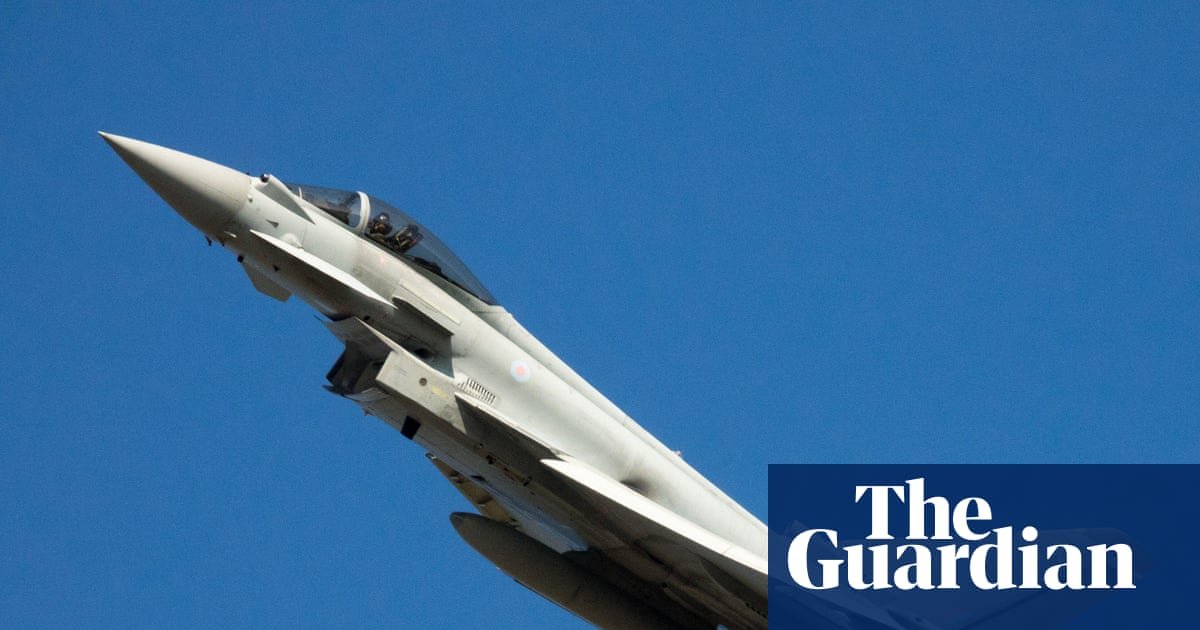
BAE last year received an order for 20 Typhoon fighter jets from Turkey, in a deal announced at the factory by Keir Starmer.
However, that order is thought to provide only two years of work at the Lancashire factories – not enough to sustain jobs until production starts on the next generation of fighters.
BAE will lead production of the sixth-generation Tempest fighter in an alliance with Italy and Japan.
A source with knowledge of the matter said that the job cuts were linked to uncertainty over the Eurofighter Typhoon fighter jet programme, more than cost-cutting.
The move comes even as BAE has benefited from a boom in defence spending since Russia’s full-scale invasion of Ukraine in 2022.
Last month, the company told its investors it had secured £33bn in orders so far this year and that it expected further contracts before the end of 2026.
It also raised its free cashflow guidance for its financial year by 10%, from about £2bn to £3bn.
Sharon Graham, the general secretary of the union Unite, warned that there would not be a manufacturing industry left in the UK “if the government doesn’t start making critical decisions”.
“To stop the erosion of defence jobs and get the growth we need, the government needs to announce contracts for British-built Typhoons and Collaborative Combat Aircraft (CCA) immediately,” she said.
BAE unveiled the uncrewed CCA – which is named Brontanax – at the Farnborough International airshow in July.
Andrew Snowden, a Conservative MP in Lancashire where BAE has two air manufacturing hubs, echoed Graham’s call for more government support. skip past newsletter promotion after newsletter promotion BAE Systems reveals Brontanax unmanned fighter aircraft at Farnborough International Airshow in Hampshire in July 2026.
” It comes with the government also under pressure to reach a decision on its Skynet military satellite replacement.
American weapons maker Lockheed Martin was thought to be the Ministry of Defence’s preferred choice, but ministers have delayed the choice after Unite argued it would lead to UK job cuts at rival Airbus’s existing factories.
An MoD spokesperson said: “We know that any potential voluntary redundancies can cause concerns and our thoughts are with those potentially affected.
“This government is delivering the biggest boost in defence spending since the cold ar, having already agreed £4bn worth of investments since July.
“This includes awarding BAE a £708m contract extension to lead the Global Combat Air Programme developments and supporting the £8bn contract to supply Turkey with 20 Typhoon jets last year, which sustains 6,000 jobs at two BAE sites.” Explore more on these topicsBAE Systems Defence policy Job losses Aerospace industry Military Manufacturing sector news Share Reuse this content